In-Clinic, At-Home, or Telehealth: Choosing the Right Physical Therapy Option in Bowling Green, KY
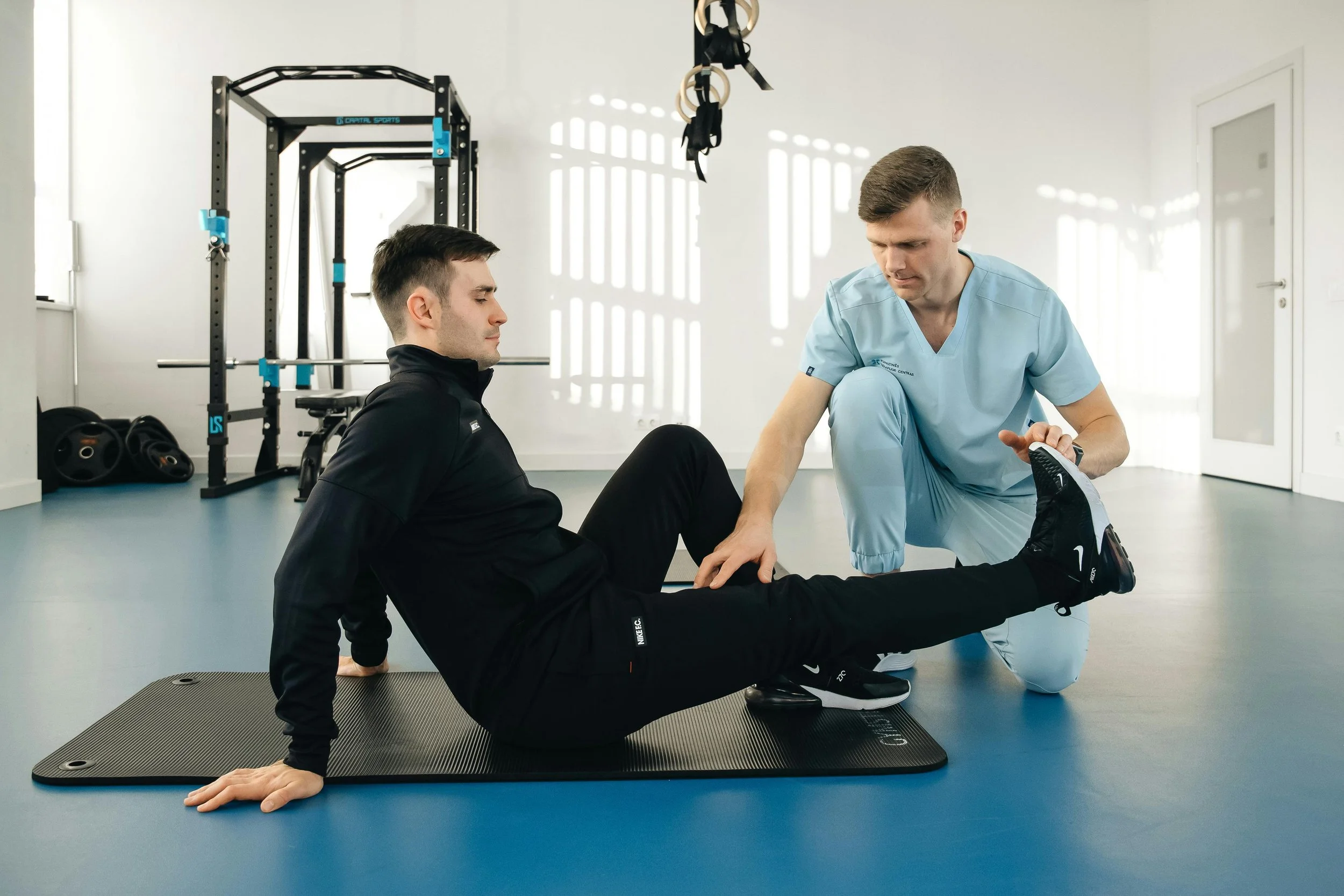
If you’re looking for physical therapy in Bowling Green, you’ll quickly notice that not all clinics offer the same level of flexibility. Traditionally, physical therapy meant driving to a clinic multiple times per week, waiting in a crowded gym, and fitting care into an already busy schedule.
Today, that model is changing.
More people are choosing physical therapy options that fit their lives — whether that’s in a high-end training facility, in the comfort of their home, or through secure telehealth sessions. Understanding the differences between these options can help you choose the approach that delivers the best results for your situation.
Why Flexibility Matters in Physical Therapy
Consistency is one of the biggest predictors of success in physical therapy. When care is difficult to schedule or inconvenient to attend, people often:
Miss appointments
Cut rehab short
Delay care entirely
Return to activity before they’re ready
Flexible physical therapy options remove many of those barriers, making it easier to stay consistent and see results.
Option 1: In-Clinic Physical Therapy (Performance-Focused Care)
In-clinic physical therapy remains the gold standard for many patients — especially those who want a hands-on, performance-driven approach.
Best for:
Athletes and active adults
Strength and movement retraining
Post-injury rehabilitation
Those who want access to equipment and space
In a top-tier training environment, physical therapy goes beyond basic rehab. Sessions can include:
Detailed movement assessments
Manual therapy and soft tissue work
Progressive strength and conditioning
Sport- or activity-specific exercises
This setting is ideal for people who want to return not just to daily function, but to higher-level performance.
Pros:
Access to equipment and space
Ideal for athletic and strength-based rehab
Direct supervision throughout sessions
Considerations:
Requires travel to the facility
Scheduling around work or family commitments
Option 2: At-Home Physical Therapy (Convenience Without Compromise)
At-home physical therapy has grown rapidly in popularity, especially among busy professionals, parents, and individuals with limited time.
Best for:
Busy schedules
Mobility or transportation challenges
Early-stage rehab
Privacy and convenience
With at-home physical therapy, your therapist comes to you. This allows treatment to be tailored to your real-life environment — how you move at home, how you sit, sleep, work, and train.
At-home sessions may include:
Hands-on treatment
Bodyweight and minimal-equipment exercises
Functional movement training
Education specific to your daily activities
Pros:
No travel time
Highly personalized care
Comfortable, familiar environment
Considerations:
Limited equipment compared to a clinic
Not ideal for all athletic or advanced rehab needs
For many clients, at-home care offers the perfect balance between quality and convenience.
Option 3: Telehealth Physical Therapy (Expert Guidance Anywhere)
Telehealth physical therapy allows you to work with a licensed physical therapist remotely through secure video sessions.
Best for:
Follow-up care
Exercise progression and form checks
Movement analysis
Injury prevention
Clients traveling or living farther away
Telehealth sessions often focus on:
Guided exercise programs
Movement coaching
Pain management strategies
Progression and accountability
While telehealth doesn’t replace hands-on care, it can be extremely effective when used strategically.
Pros:
Maximum flexibility
No travel required
Access to expert care anywhere
Considerations:
No manual therapy
Requires self-motivation and participation
Telehealth works best when combined with in-clinic or at-home visits, or for clients who are already comfortable with exercise.
Which Physical Therapy Option Is Right for You?
The best option depends on your goals, injury, and lifestyle.
You might benefit from:
In-clinic care if you’re returning to sport or training
At-home care if convenience is critical
Telehealth if you need guidance, progression, or accountability
Many clients use a hybrid approach, combining in-clinic sessions with at-home or telehealth visits to maximize results while minimizing disruption.
The Advantage of a Cash-Pay Model
One reason these options are possible is the cash-pay model.
Without insurance restrictions, care can be:
Personalized
Flexible
Adapted as needs change
Instead of forcing patients into a single setting, treatment can evolve with progress.
Final Thoughts
Physical therapy should fit your life — not the other way around.
Whether you prefer hands-on care in a performance environment, the convenience of at-home sessions, or the flexibility of telehealth, having options allows you to stay consistent and focused on results.
When care meets you where you are, progress comes faster — and lasts longer.
